01
Roof Leaks
Water stains, ceiling drips, damp attic insulation, and moisture around vents or flashing.
Leaks, damaged shingles, storm damage, or an aging roof? Understand the warning signs, protect your home, and prepare for an informed conversation with a roofing professional.
Not every roofing concern requires a full replacement. The right next step depends on the cause, extent of damage, roof condition, and whether water is entering the home.
Water stains, ceiling drips, damp attic insulation, and moisture around vents or flashing.
Lifted, cracked, curled, or missing shingles can expose underlying roofing materials.
Wind, hail, falling branches, and flying debris can damage roof coverings and accessories.
Chimneys, skylights, vents, and roof intersections can be vulnerable to water intrusion.
Wear, granule loss, repeated repairs, or deteriorating materials may warrant closer evaluation.
Clogged or damaged gutters can direct water toward fascia, walls, and foundations.
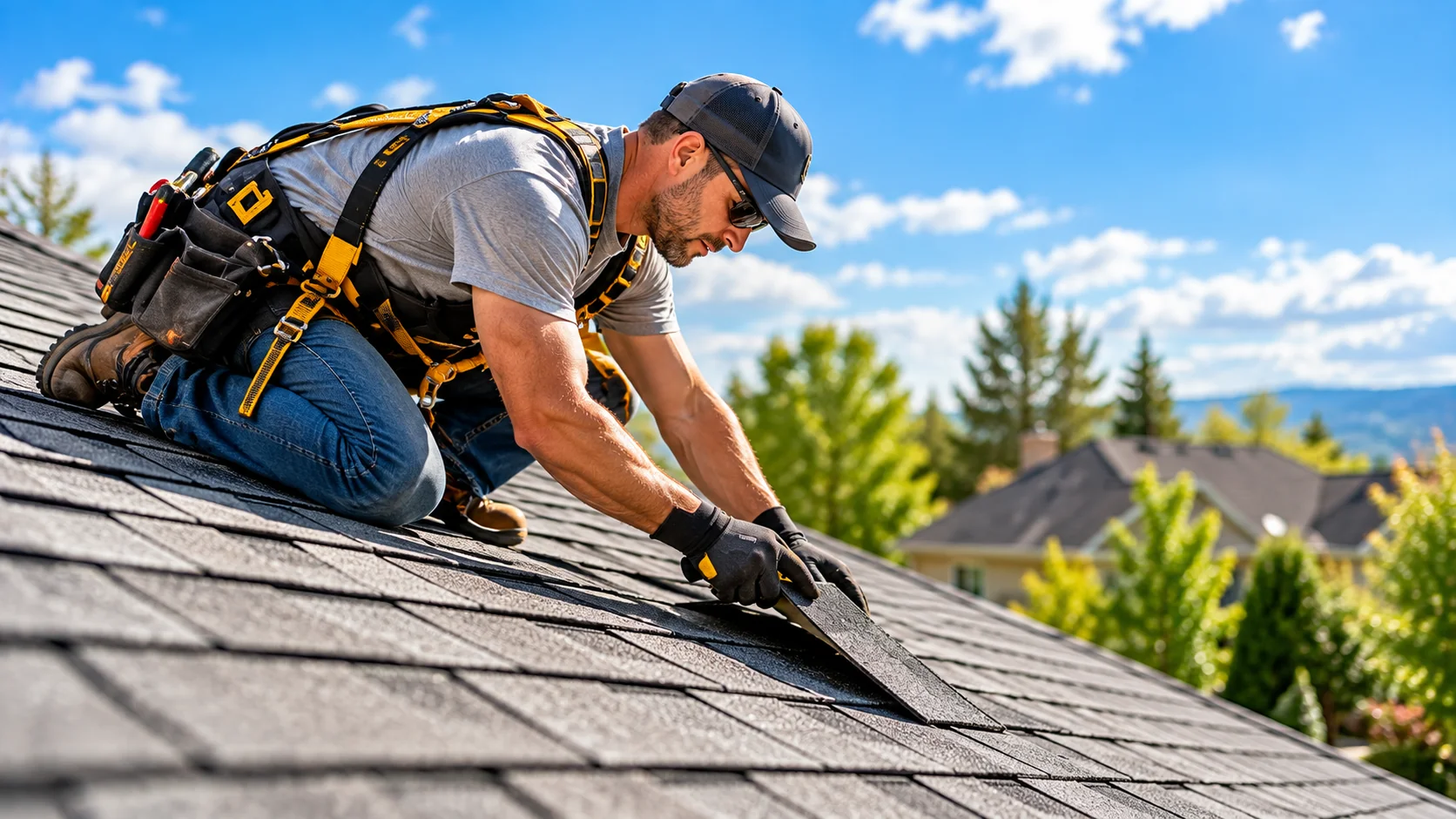
A reliable recommendation should be based on the condition of the roof—not simply the age of the house or the first visible symptom.
May be appropriate for limited, identifiable damage when the surrounding roof remains serviceable.
Multiple affected areas may call for more extensive repairs, flashing work, or drainage corrections.
May be considered when damage is widespread, materials are failing, or repeated repairs are no longer practical.
Only an on-site assessment can determine the extent of damage and suitable options for a particular property.
Ask for photographs or a clear explanation of the observed damage.
Compare a focused repair with larger-scope work and understand the tradeoffs.
Confirm materials, labor, disposal, permits where applicable, and potential additional work.
Verify requirements and credentials for your jurisdiction.
Ask about workmanship coverage, material warranties, and exclusions.
Discuss timing, weather contingencies, cleanup, and protecting landscaping.
No. Water can come from roof damage, plumbing, condensation, or other sources. The cause should be investigated before deciding on a repair.
Look for visible damage from the ground, document concerns, and arrange a professional inspection when warranted. Do not climb onto a potentially damaged roof.
Sometimes. Localized damage may be repairable, depending on roof condition, material availability, and the source and extent of the leak.
For significant non-emergency work, comparing written estimates can help clarify scope, materials, timelines, and warranties.
Coverage depends on your policy, the cause of damage, exclusions, and deductible. Review your policy and contact your insurer for claim-specific guidance.
HomeRepairSOS provides homeowner-focused information to help you recognize common roofing issues, prepare questions, and explore repair options. For an inspection or repair, contact a qualified local roofing professional.