01
Breakers Keep Tripping
Repeated trips may indicate an overloaded circuit, faulty appliance, short circuit, or other electrical fault. Do not repeatedly reset a breaker that keeps tripping.

Flickering lights, outlets that stop working, or breakers that keep tripping? Learn what the warning signs may mean and when to call a licensed electrician.
Electrical symptoms are not a diagnosis. Problems involving wiring, panels, or energized equipment should be evaluated by a qualified electrician.
Repeated trips may indicate an overloaded circuit, faulty appliance, short circuit, or other electrical fault. Do not repeatedly reset a breaker that keeps tripping.
An outlet or switch that stops working may involve a tripped protective device, loose connection, damaged wiring, or another circuit issue.
Intermittent lighting can have several causes, from a bulb problem to a loose connection or supply issue. Widespread or persistent flickering needs attention.
Unusual heat, buzzing, scorch marks, or burning smells can signal a dangerous condition. Stop using the affected outlet and seek prompt professional help.
When only some rooms lose power, the cause may be a circuit issue, protective device, or connection fault. Avoid opening panels or touching exposed wiring.
Outdated components, insufficient circuits, or previous improper work may require a safety assessment before adding appliances or remodeling.
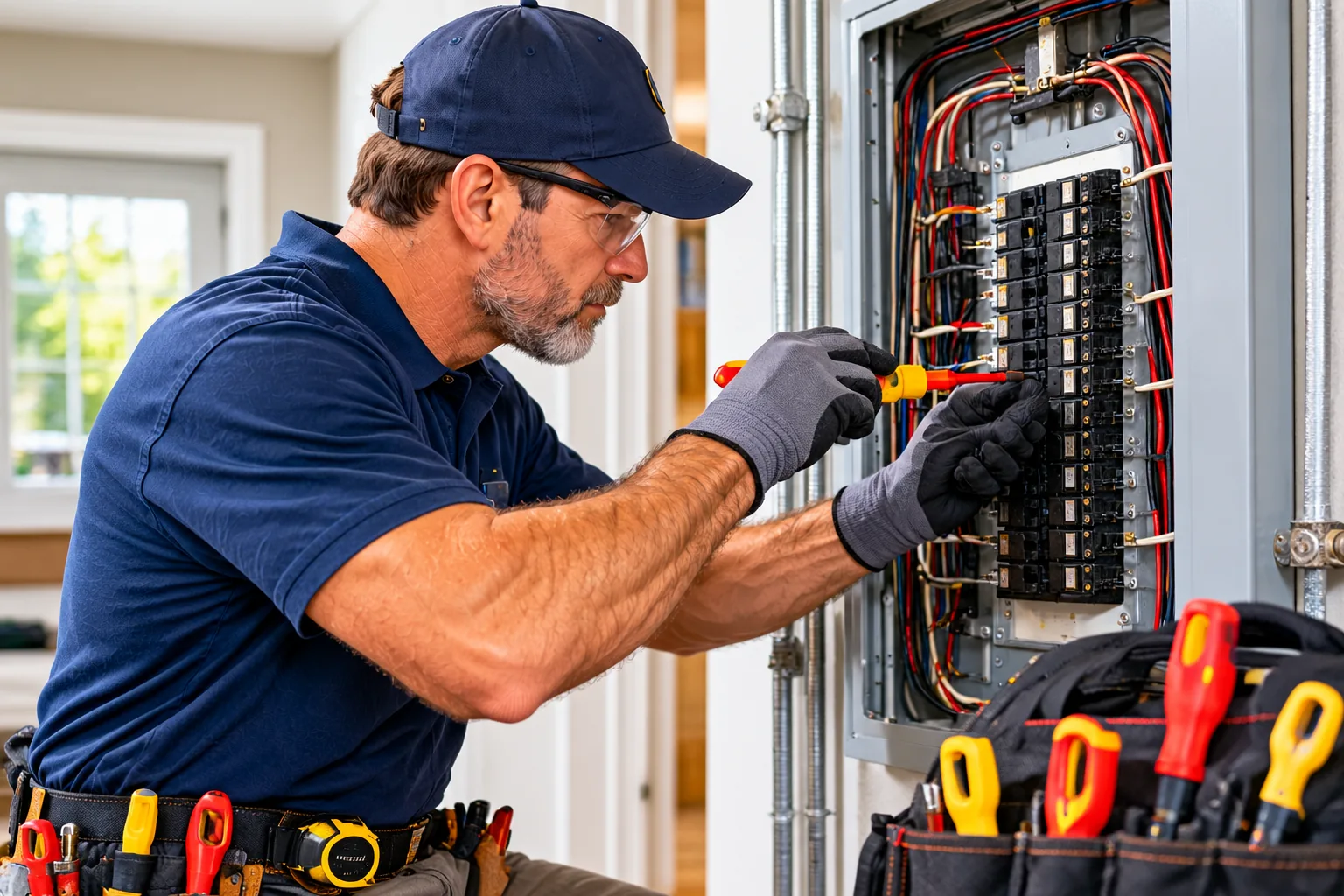
The appropriate work depends on the cause, condition of the wiring and equipment, current safety standards, and a professional inspection.
An electrician can test affected circuits and assess outlets, breakers, grounding, and other components before recommending work.
Some issues may be resolved by correcting a damaged device, faulty connection, or other isolated defect after safely identifying the cause.
Older or inadequate electrical systems may need larger improvements for safety, capacity, or planned home additions. Permits may be required.
Ask how the issue was tested and whether the underlying cause has been identified.
Confirm whether any outlets, appliances, or circuits should remain off until work is complete.
Verify applicable licensing, insurance, and qualifications for the proposed electrical work.
Ask who will obtain permits and arrange inspections where local rules require them.
Request a written breakdown of labor, materials, troubleshooting, permits, and potential additional costs.
Clarify workmanship and parts coverage, timelines, and how follow-up problems will be handled.
Possible causes include an overloaded circuit, a faulty device, a short circuit, or another wiring problem. If it trips repeatedly, leave it off and have a qualified electrician investigate rather than repeatedly resetting it.
Unusual heat, discoloration, buzzing, or a burning odor can indicate an unsafe condition. Stop using the outlet and arrange prompt professional assessment.
Electrical work can expose you to shock, fire, and arc hazards even when a circuit appears off. A qualified electrician is the safer choice for diagnosis and repairs; applicable local rules may require permits or licensed work.
Causes range from a loose bulb to a poor connection or electrical supply issue. If flickering affects multiple rooms, persists, or occurs with buzzing or burning smells, seek professional help promptly.
Potential reasons include deteriorated equipment, inadequate capacity, or planned new loads. A licensed electrician can evaluate the existing panel and explain whether repair or replacement is appropriate.
Stay out of affected wet areas and do not touch outlets, appliances, switches, or the electrical panel. Contact an electrician or emergency services if there is immediate danger. Do not restore power until the equipment has been assessed.
HomeRepairSOS offers general information to help homeowners recognize electrical warning signs and make informed decisions. For electrical testing, repairs, or upgrades, contact a qualified local electrician.