01
AC Not Cooling
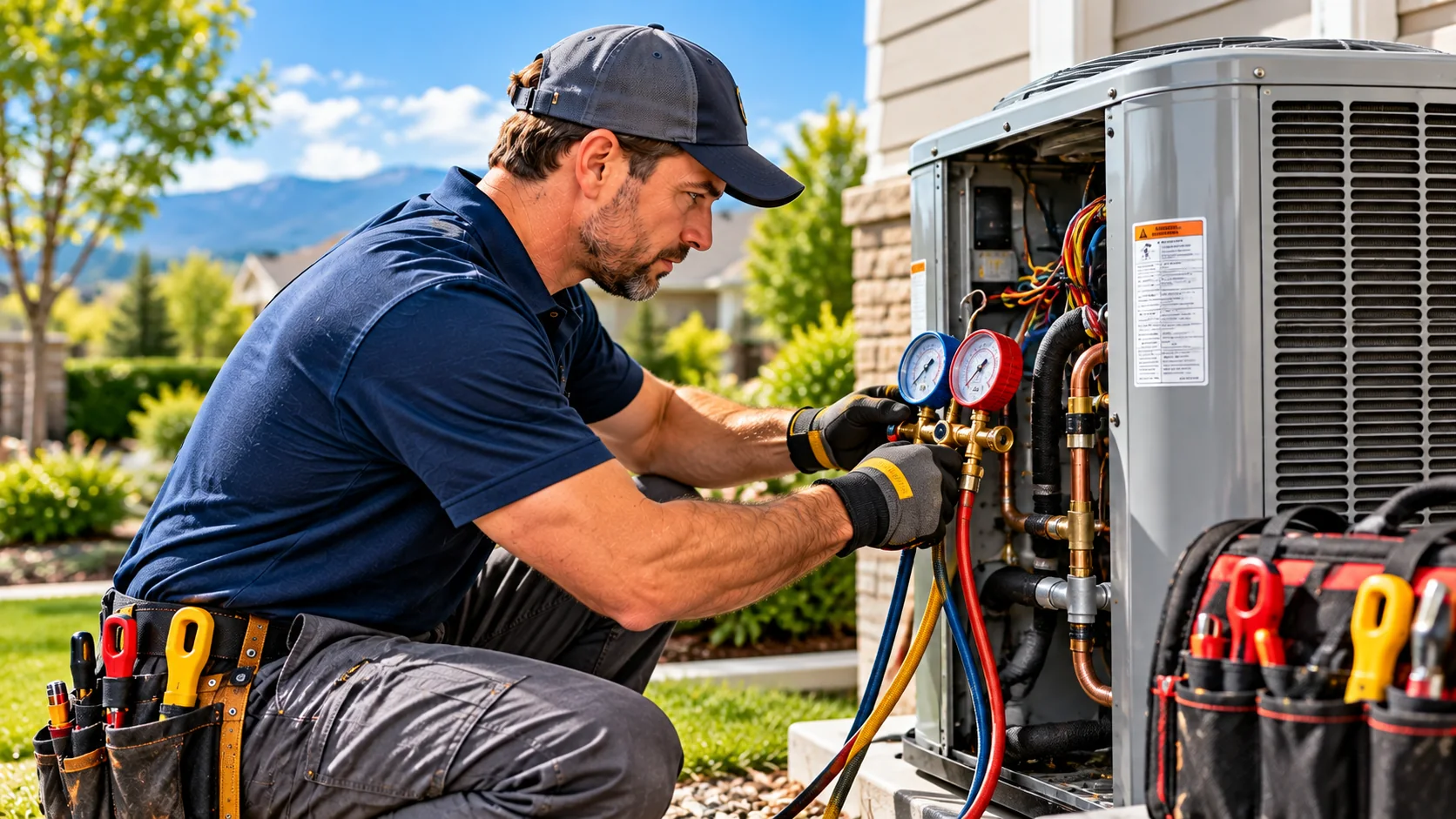
Warm air, weak cooling, or an outdoor unit that will not run can involve airflow, controls, electrical components, or refrigerant-related issues.
No cooling, no heat, uneven temperatures, or a system making unusual noises? Learn what common HVAC symptoms may mean and how to respond safely.
Symptoms are a starting point, not a diagnosis. A qualified HVAC technician can inspect equipment and recommend appropriate service.
Warm air, weak cooling, or an outdoor unit that will not run can involve airflow, controls, electrical components, or refrigerant-related issues.
Cold air, no airflow, or repeated shutdowns can point to a control, airflow, ignition, or equipment fault.
Hot and cold spots may relate to insulation, ductwork, airflow, or system sizing and performance.
Restricted filters, blocked vents, duct problems, or blower issues can reduce airflow throughout the home.
Rattling, grinding, persistent burning smells, or unusual sounds deserve prompt attention, especially if new or worsening.
Repeated starts and stops or unexplained energy increases may indicate maintenance needs, control problems, or declining efficiency.
The right next step depends on the system's condition, age, repair history, performance, and a professional assessment.
Filter changes, professional inspections, and cleaning may improve airflow and help identify emerging problems before a breakdown.
A technician may be able to correct an isolated control, motor, drain, or other component issue without replacing the entire system.
For aging or repeatedly failing equipment, compare the repair cost with replacement options, efficiency, warranties, and proper sizing.
Ask what testing was performed and which component or condition is responsible.
Confirm whether equipment should remain off until repairs are completed.
Request written pricing for parts, labor, diagnostic fees, permits where needed, and potential additional work.
Ask for an explanation of cost, expected service life, and alternatives—not just one option.
Verify applicable licensing, insurance, and credentials for the equipment and work involved.
Clarify coverage for labor, parts, new equipment, and follow-up service.
Possible causes include thermostat settings, airflow restrictions, dirty components, or equipment faults. Check user-accessible settings and filters safely; contact an HVAC professional if cooling does not return.
Follow the filter and equipment manufacturer's guidance. The interval varies with filter type, dust, pets, occupancy, and system use; inspect filters regularly.
Confirm thermostat settings and look for user-accessible issues described in the owner's manual. Do not attempt gas, ignition, or electrical repairs. Arrange professional service if heat does not return.
No. Ice may indicate airflow or refrigeration problems. Stop cooling operation and have the system assessed; do not chip ice from equipment or attempt refrigerant work.
Consider replacement when repairs become frequent or expensive, performance is poor, or a professional finds major equipment deterioration. Compare written repair and replacement estimates.
Move to a cooler, safe location if indoor temperatures become dangerous, especially for vulnerable household members. Seek urgent medical care for symptoms of heat illness and arrange qualified HVAC service.
HomeRepairSOS provides general guidance to help homeowners recognize heating and cooling issues and make informed decisions. For diagnosis or repair, contact a qualified local HVAC professional.