01
Siding & Exterior Trim
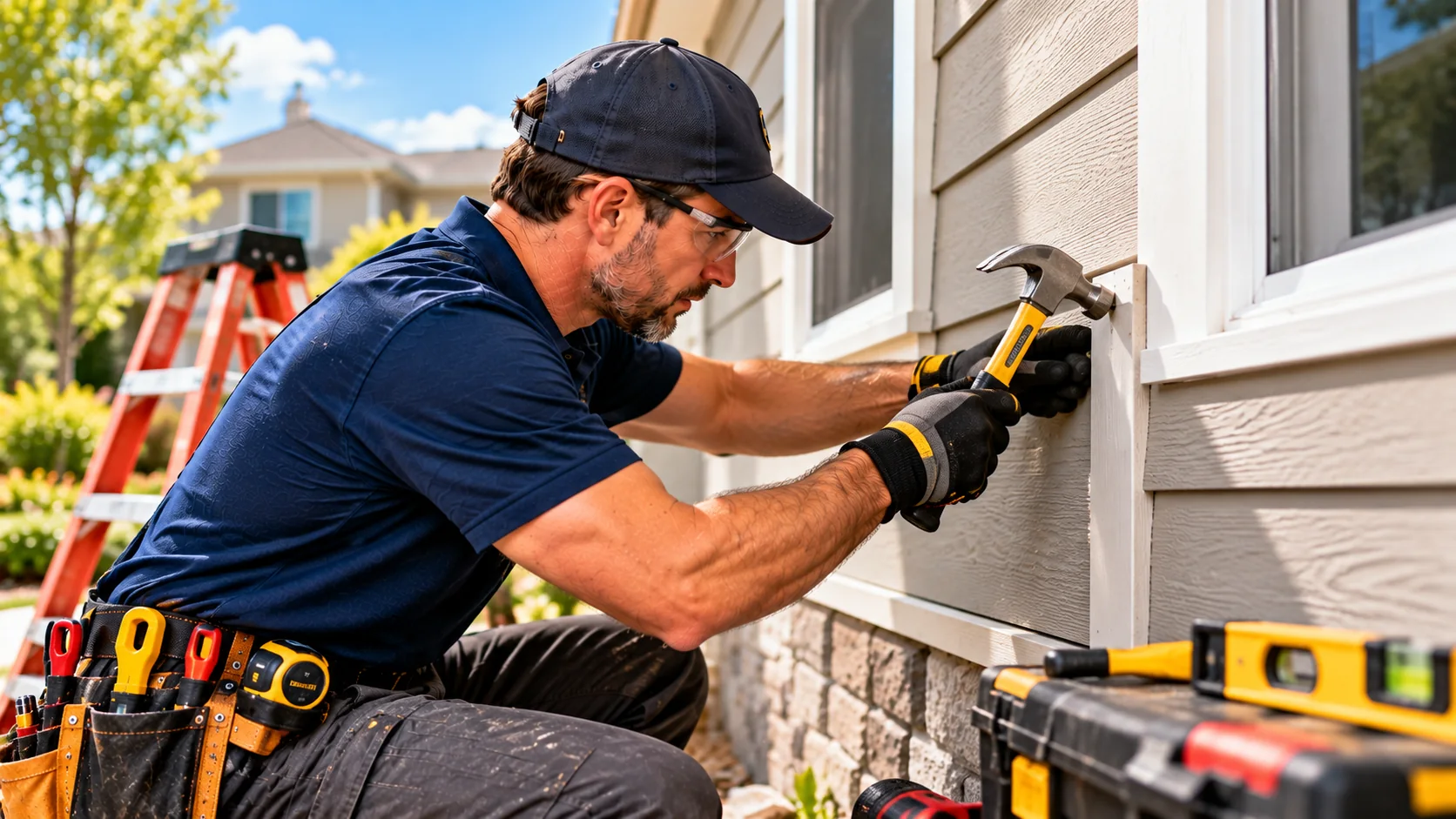
Loose siding, peeling trim, and gaps around exterior materials can let water and pests enter. Look for rot, soft spots, and recurring moisture.

From damaged siding and doors to drywall, windows, and everyday wear, learn how to recognize common repair issues, prioritize safety, and plan a sensible fix.
Small problems can become expensive when moisture, pests, or structural damage are involved. These examples help you identify what to discuss with a qualified repair professional.
Loose siding, peeling trim, and gaps around exterior materials can let water and pests enter. Look for rot, soft spots, and recurring moisture.
Doors that stick, sag, or fail to latch may need alignment, hardware replacement, or investigation of shifting frames and moisture damage.
Holes and scuffs may be cosmetic; new cracks, stains, or bulging drywall can point to leaks or movement that should be assessed first.
Drafts, deteriorated caulking, failed seals, and difficult-to-open windows can affect comfort and allow water intrusion.
Loose boards, unstable posts, and weakened railings can become fall hazards. Have load-bearing or elevated structures assessed by an appropriate professional.
Loose cabinetry, damaged flooring, and worn fixtures may need repair or replacement. Identify any underlying water damage before cosmetic work.
A lasting fix addresses the cause—not just the visible symptom. The right option depends on safety, condition, cost, and the extent of damage.
Localized wear, minor hardware problems, or small surface damage may be repairable when the surrounding materials remain sound.
Severely damaged siding, rotted trim, failed windows, or worn fixtures may be more practical to replace than repeatedly patch.
Recurring moisture, extensive cracking, unstable structures, and unknown damage deserve investigation before selecting a repair scope.
Ask whether the visible issue is cosmetic or evidence of a larger underlying problem.
Request a written scope that lists materials, preparation, cleanup, and exclusions.
Verify applicable licensing, insurance, and experience with this particular type of repair.
Confirm local permit and inspection requirements, especially for structural changes.
Ask about labor, materials, disposal, possible concealed damage, and how change orders are approved.
Clarify start and completion dates, workmanship coverage, and how follow-up concerns are handled.
Isolated damage may be repairable, while widespread deterioration or hidden moisture may justify replacement. Ask a qualified professional to inspect the wall assembly and identify the source of damage.
Some cracks are cosmetic, but rapidly growing, diagonal, recurring, or widespread cracks—especially with sticking doors or uneven floors—can warrant a professional structural evaluation.
Humidity, loose hinges, a shifted frame, or movement in the building can cause sticking. A repair professional can help distinguish a simple adjustment from a larger concern.
Identify and safely address the water source first. Do not paint over stains or replace drywall until the affected area has been assessed and dried appropriately.
No. Licensing rules and allowable work vary by location. Structural, electrical, plumbing, gas, and other regulated work may require licensed specialists and permits.
Ask for a written estimate, clear scope, material specifications, payment milestones, and a process for approving unforeseen work before it begins.
HomeRepairSOS provides general information to help you recognize home maintenance and repair issues. For diagnosis, structural concerns, or hands-on repairs, contact a qualified local professional.