01
Leaking Pipes & Fixtures
Drips, damp cabinets, water stains, and puddles may indicate a failing seal, connection, pipe, or fixture.
Leaks, clogs, low water pressure, or a toilet that won't stop running? Learn how to recognize common plumbing problems and protect your home while arranging appropriate help.
Symptoms can help you explain a plumbing issue, but a qualified professional may need to inspect the system to determine the cause.
Drips, damp cabinets, water stains, and puddles may indicate a failing seal, connection, pipe, or fixture.
Slow sinks, tubs, or showers may result from localized buildup or a deeper drainage problem.
Constant refilling, leaks around the base, and frequent clogs can waste water or damage flooring.
Weak flow at one fixture or throughout the home can have different causes, including valves, supply issues, or leaks.
Multiple backed-up drains, gurgling, or wastewater returning through fixtures can indicate a serious blockage.
Banging pipes, persistent sewer odors, and unexplained moisture deserve closer attention.
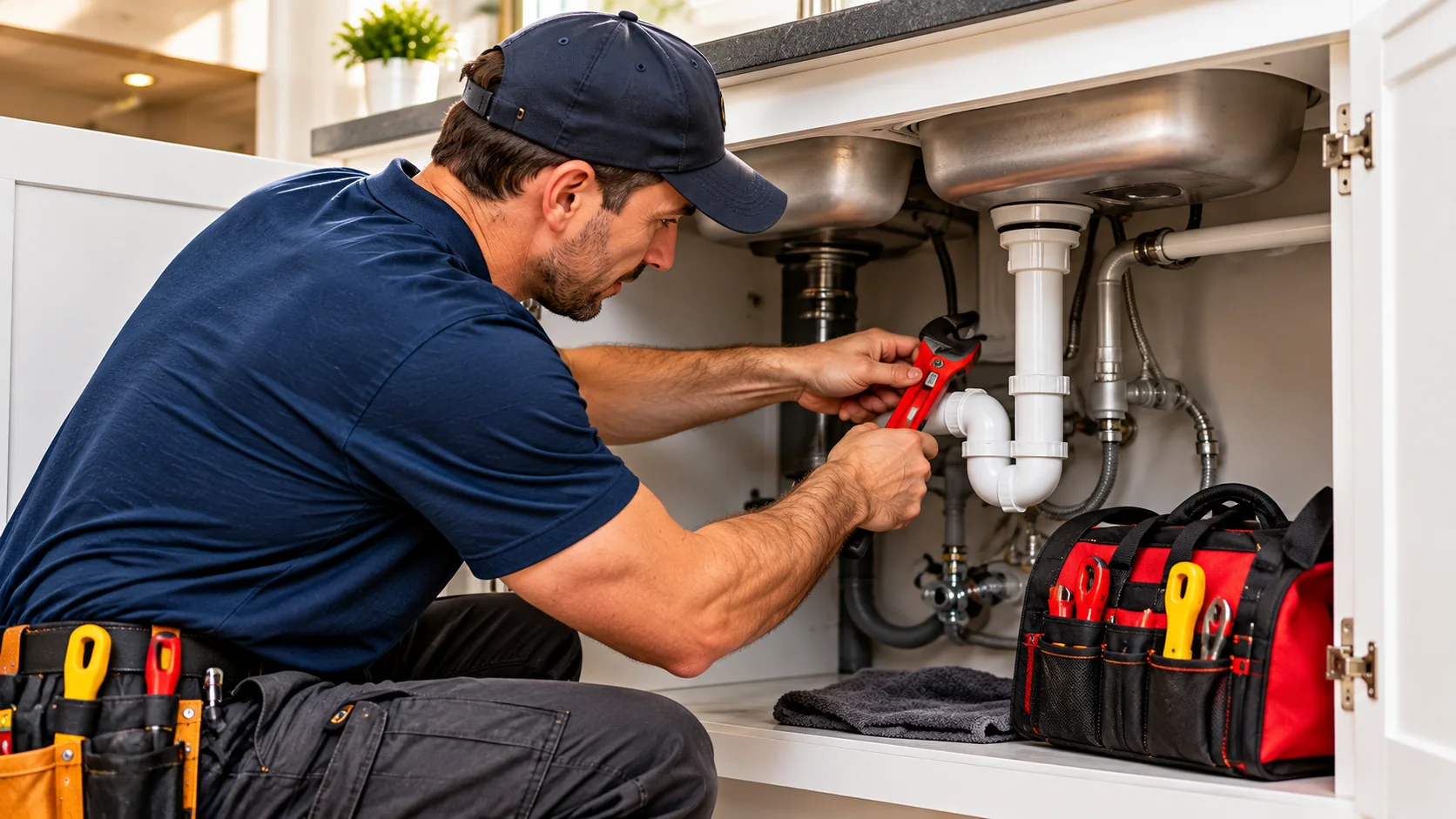
The best solution depends on the source of the problem, condition of the pipes or fixtures, accessibility, and likelihood of recurrence.
A localized leak or faulty fixture component may be addressed without replacing an entire plumbing system.
Recurring clogs or multiple affected fixtures may require a professional drain inspection and appropriate clearing method.
Damaged, corroded, or repeatedly failing components may warrant replacement rather than another temporary fix.
Ask how the cause was determined and whether any further inspection is needed.
Clarify whether water use should stop and what steps are safe while awaiting service.
Request a written scope covering labor, parts, access, cleanup, and potential additional work.
Compare a targeted repair with replacement where appropriate.
Verify credentials and applicable local requirements before work begins.
Ask about parts, labor, exclusions, and follow-up if the problem returns.
If safe, turn off the water at the fixture or main shutoff, keep clear of wet electrical equipment, and contact a qualified plumber. Document damage without delaying safety steps.
Multiple affected fixtures can indicate a blockage farther down the drainage system. Avoid continuing to use affected fixtures and have the issue evaluated.
Not always, but repeated or worsening backups, sewage odors, or wastewater overflow call for prompt professional attention.
Potential causes include a partially closed valve, utility supply changes, fixture buildup, or a leak. If the change is widespread or accompanied by visible water damage, seek assessment promptly.
Chemical drain cleaners can cause burns, damage some materials, and create risks for anyone working on the drain. Never mix products; ask a professional about safer options for persistent clogs.
Some toilet problems involve replaceable internal parts, but leaks around the base, damaged flooring, or persistent failures may require professional evaluation.
HomeRepairSOS offers general information to help homeowners recognize plumbing issues and make informed repair decisions. For diagnosis or repair, contact a qualified local plumbing professional.